

Scotland is renowned for its numerous social projects. Each one holds special significance within society and, crucially, is dedicated to a specific, often acute, issue that deserves heightened attention. Read more on edinburgh1.one.
Unfortunately, rapid development and technical progress have not yet solved one of the most global problems: child cruelty. Thousands of children around the world daily face things that should have no place in their lives. Yet, these harsh, unchildlike factors are an integral part of everyday life for many.
This is precisely why such organisations were, and continue to be, established in Scotland. Their primary goal is to make children’s lives safer, more secure, and brighter.
One such community is Children First. It is truly unique and, importantly, has a remarkable history.
The Grief That Spurred Its Creation
The organisation’s story began in the 1880s. Its creation was, in a way, driven by the overcrowded slums of Glasgow. The founder of Children First, James Grahame, was shocked by the poverty, cruelty, and neglect that children were forced to endure there.
Interestingly, from the very beginning, the new community’s leadership emphasised that the organisation’s goal was not to take full responsibility for the children. Instead, it was to ensure, as much as possible, that this function was fulfilled by parents and guardians.
The Key Question
On 23 July 1884, James Grahame gathered his like-minded peers to discuss the formal establishment of a society for the prevention of cruelty to children. Of course, minutes were taken at this meeting, which contain many useful and wise thoughts. However, one idea, in particular, runs through it like a common thread: “If not us, then who?”
Later Developments

Grahame managed to convince his team not only of the need to review and fundamentally change child protection legislation, but he also conveyed the urgent and critical importance of creating a separate rescue service.
In essence, this meeting led to the founding of The Glasgow Society for the Prevention of Cruelty to Children.
A little later, but still in 1884, a similar body appeared in Edinburgh: The Edinburgh Society for the Prevention of Cruelty to Children. This practice subsequently spread to many other cities across Scotland.
However, it is important to note that in 1885, the Edinburgh society merged with an organisation called The Edinburgh and Leith Children’s Aid and Refuge.
The strength and potential of these communities proved so powerful that in 1889, their joint efforts led to the creation of The Scottish National Society for the Prevention of Cruelty to Children.
Core Objectives
The newly formed society also proved its worth, demonstrating incredible capability. As a result, in 1921, The Scottish National Society for the Prevention of Cruelty to Children received a Royal Charter. This led to it being renamed The Royal Scottish Society for the Prevention of Cruelty to Children.
It should be said that at this stage of the organisation’s life, its main objectives were: protection, prevention, and restoration through family support. This was achieved by preventing cruelty to children, promoting their rehabilitation, and strengthening their resilience.
Change of Name
From the late 1980s and early 1990s, The Royal Scottish Society for the Prevention of Cruelty to Children began to gradually shift the focus of its activities. This eventually led to a change of name. Thus, in 1995, the society Children 1st emerged. Much later, in 2024, it was updated slightly to become Children First.
Involvement in Legislation
Overall, when discussing the history of Children First, it is important to note the following: a political element has always been present in the organisation’s work. This is all explained by the very idea behind its creation.
The society was founded not only to help children but also to actively fight for the passage of proper legislation.
Furthermore, in the past, inspectors from The Royal Scottish Society for the Prevention of Cruelty to Children investigated cases of child cruelty. These cases were reported to them by members of the public, the police, and local authorities. However, since 1968, legislation has assigned the power to investigate such situations to special local social work departments.
Therefore, the role of the society’s inspectors changed somewhat.
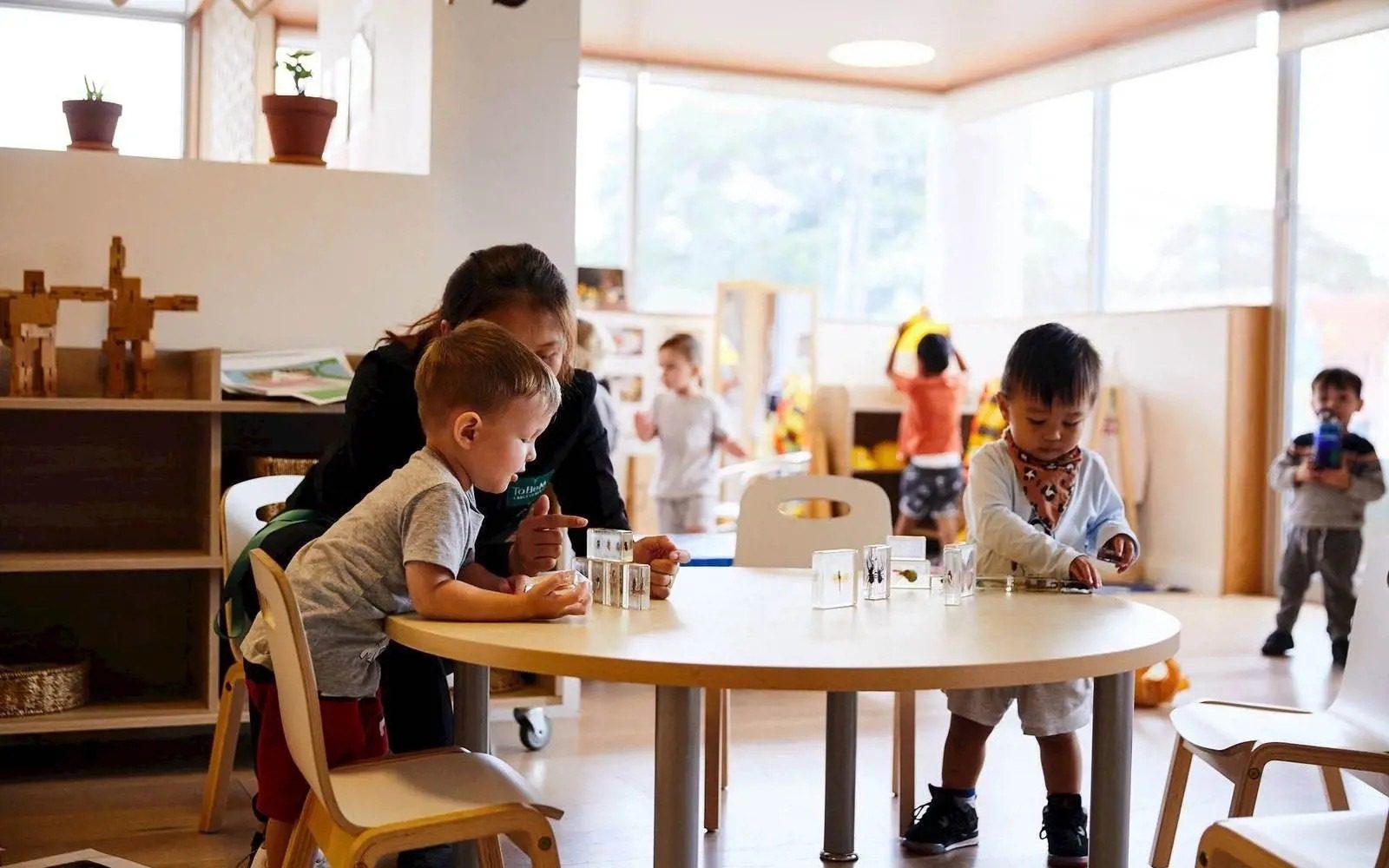
Of course, since its inception, the functions and charitable tasks of Children First have changed repeatedly. Some changes were more noticeable; others remained in the background. However, the main principle remains unchanged.
The community still strives to ensure wellbeing, safety, and love for children and their families.
Beyond this, Children First never tires of speaking out about issues that affect children’s interests. And, of course, it strives to change policy for the better.