

Scotland can proudly claim to be the birthplace of numerous organisations vital to society. The mission of each is to make life easier and better for people. Read more on this topic at edinburgh1.one.
Furthermore, most such communities incorporate a strong element of charity into their work. In other words, they gladly provide assistance, perform generous acts, and offer support. Among them are those that develop specialised programmes aimed at significantly boosting the knowledge base of various specialists. These experts, in turn, can then share their acquired experience and, naturally, be of great service to the public.
The Queen’s Nursing Institute Scotland (QNIS) is precisely one such organisation. With a unique history, this community has played a crucial role throughout its many years of existence. Why is this so? And what exactly is its contribution? This article will tell all.
Founding and a Noble Mission
It’s worth noting that QNIS was initially known by a slightly different name: The Queen’s Jubilee Institute of Nurses. The organisation was established in 1889, made possible by donations from Queen Victoria herself.
The community was created to train nurses and enable them to care for the sick poor—in other words, to help those who could not afford a hospital stay or the services of a private nurse.
The Need for Expansion
Initially, the organisation was housed in premises on North Charlotte Street. However, it quickly relocated to a more spacious facility on Castle Terrace. Since the building needed to accommodate a training centre, administration offices, and living quarters for the nurses, QNIS had to acquire several adjacent properties. This was done simply to ensure more space and prevent overcrowding.
Heroines with an Invaluable Contribution
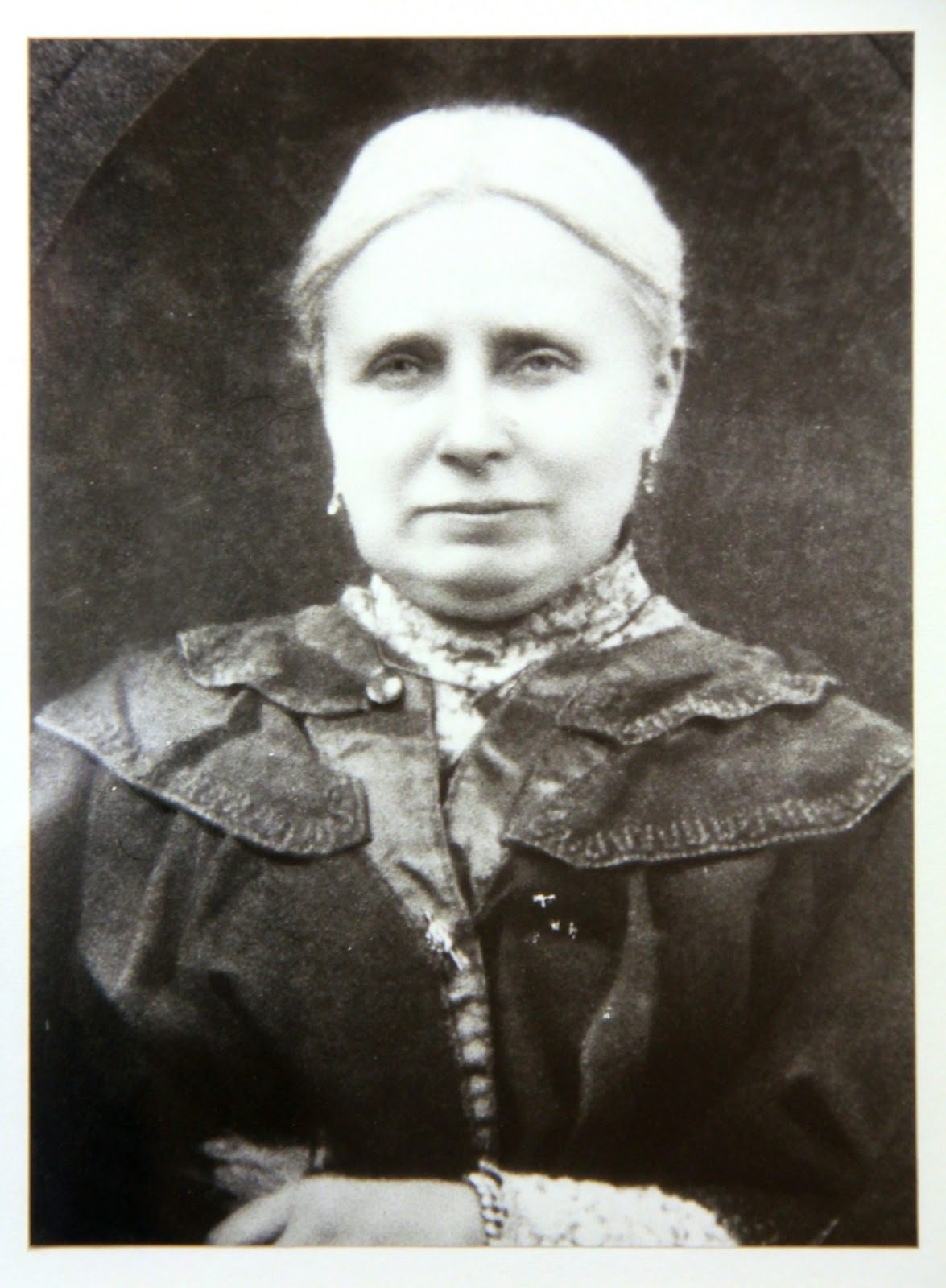
It must be acknowledged that the people involved play the pivotal role in establishing any organisation, as they are the ones who drive its vision forward. In the case of QNIS, three women made an immense contribution to its foundation: Christian Guthrie Wright, Louisa Stevenson, and Princess Louise, the Duchess of Argyll. Each of them was an activist in the suffragette movement and a staunch supporter of women’s education.
The Emergence of New Centres
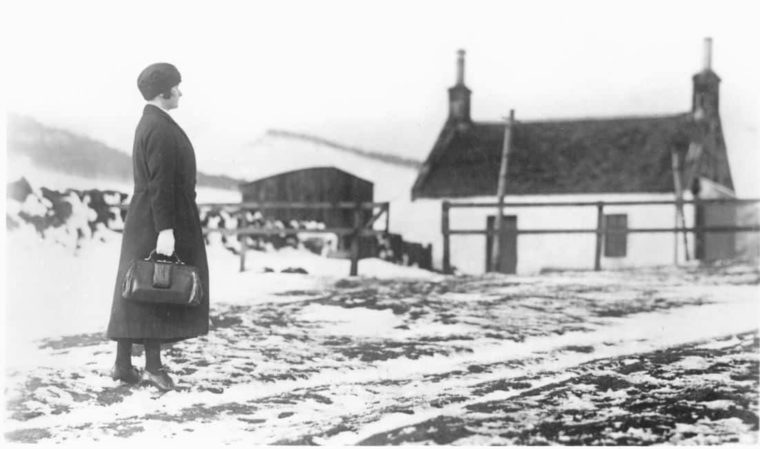
The concept behind the organisation was highly popular with the public. Consequently, by 1920, training centres were successfully operating in Edinburgh, Aberdeen, Glasgow, and other locations. By 1925, QNIS had graduated 1,737 nurses, who went on to assist over 100,000 patients and carry out more than 1.5 million home visits to the sick.
Care Available to All
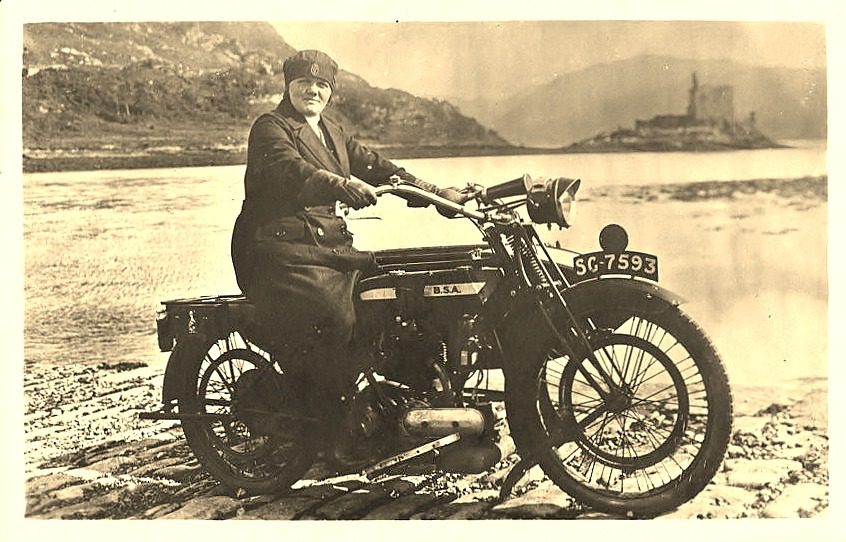
Crucially, most QNIS nurses cared for patients across all age groups—from infants to the elderly. In some of Scotland’s most remote communities, they were, at times, the only qualified health professionals available.
The War Years
When the First World War broke out, many QNIS nurses also enlisted for service. Tragically, some of them never returned. Notably, Louisa Jordan died of typhus in 1915 while serving in Serbia.
Nonetheless, even at the cost of their own lives, the graduates of this organisation played a vital role in the treatment, recovery, and salvation of soldiers, operating under incredibly challenging conditions and often under enemy fire. For example, Annie Mackinnon served with The French Flag Nursing Corps. In 1918, France awarded her the Croix de Guerre, recognising her outstanding bravery and selfless dedication—an attitude to work that is not common, especially in such difficult and cruel circumstances.
A New Direction
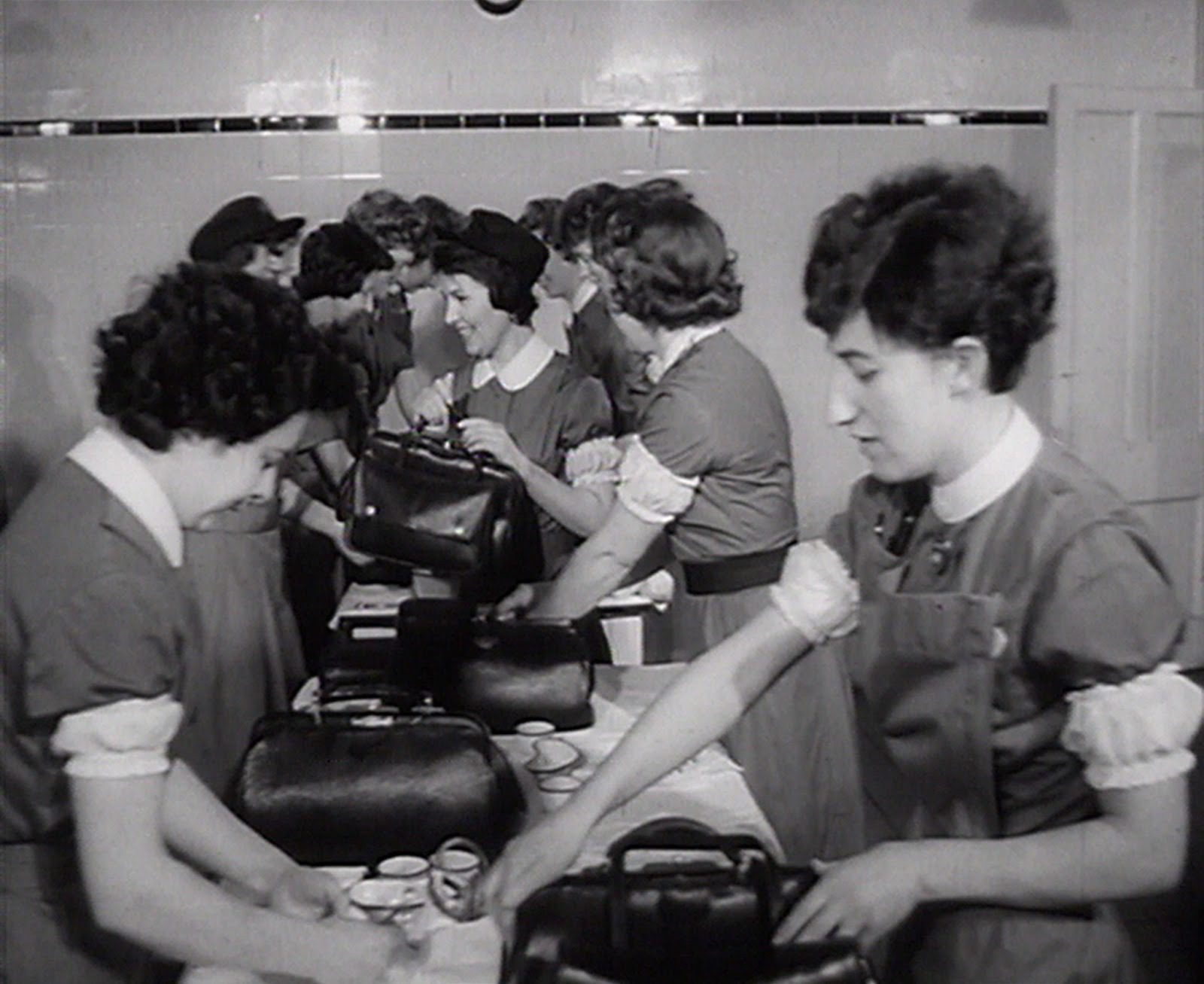
As time moved on, the organisation also underwent changes. When The National Health Service (NHS) took over nurse training, QNIS shifted its focus to funding educational projects. These projects aimed to improve the teaching of district nursing and palliative care.
Reaching a New Level
However, an even brighter future awaited QNIS, with the University of Edinburgh playing a key role. Thanks to the university, a separate nursing education centre began to flourish. Its success was so significant that in 1971, the Scottish capital saw the establishment of a dedicated Nursing Research Unit, headed by Lisbeth Hockey.
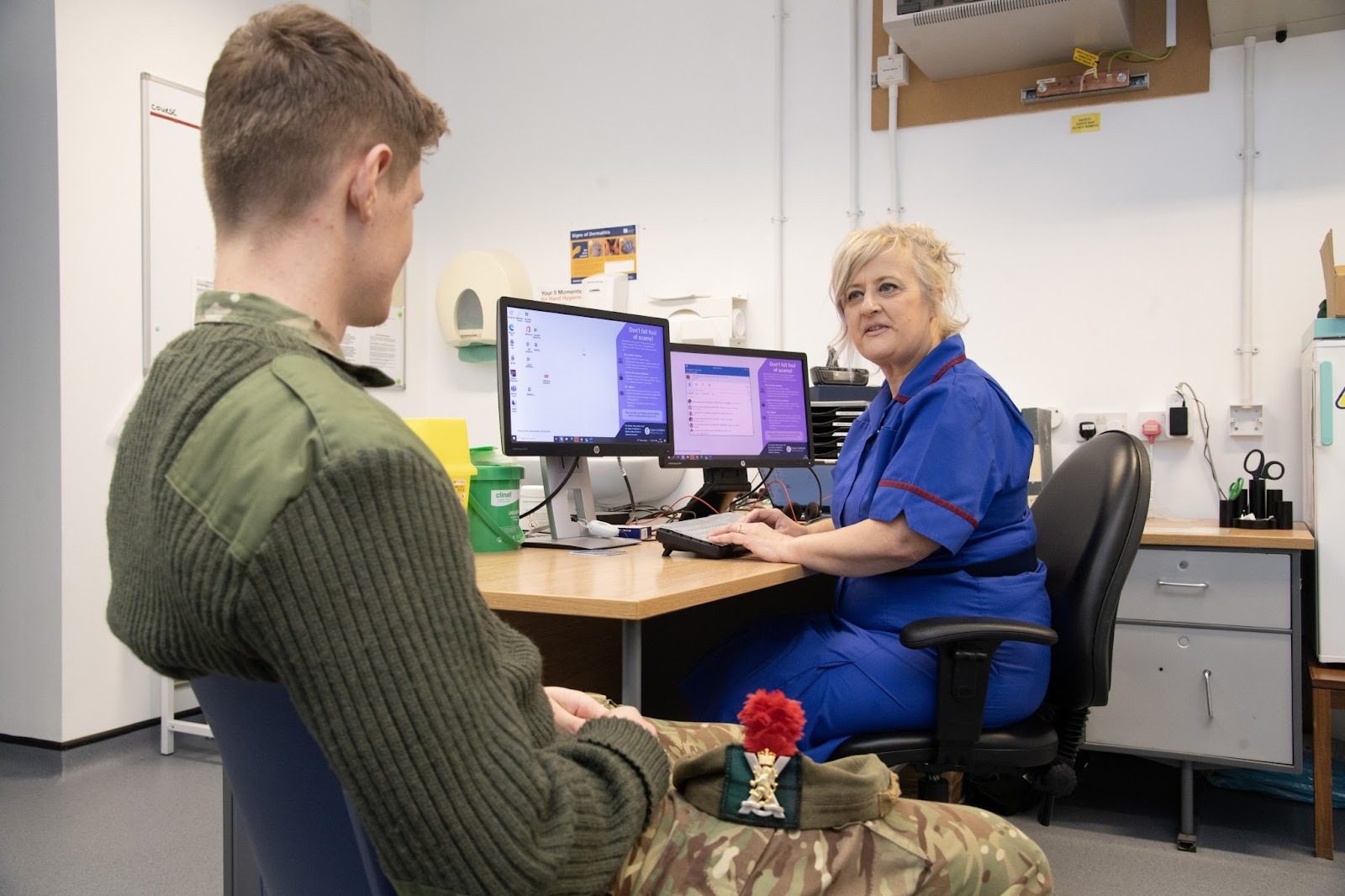
In conclusion, The Queen’s Nursing Institute Scotland has become a crucial organisation whose role in public life is hard to overstate. Despite its long history, this community has remained true to its original principles and values. QNIS continues the tradition of compassion and person-centred care, striving to overcome inequalities and significantly enhance the effectiveness of assistance provided.